


Assault & Battery
PC 243(d) Battery With Serious Bodily Injury in California
Charged under PC 243(d) in San Diego? Learn what counts as serious bodily injury, the possible penalties, firearm consequences, and defenses.
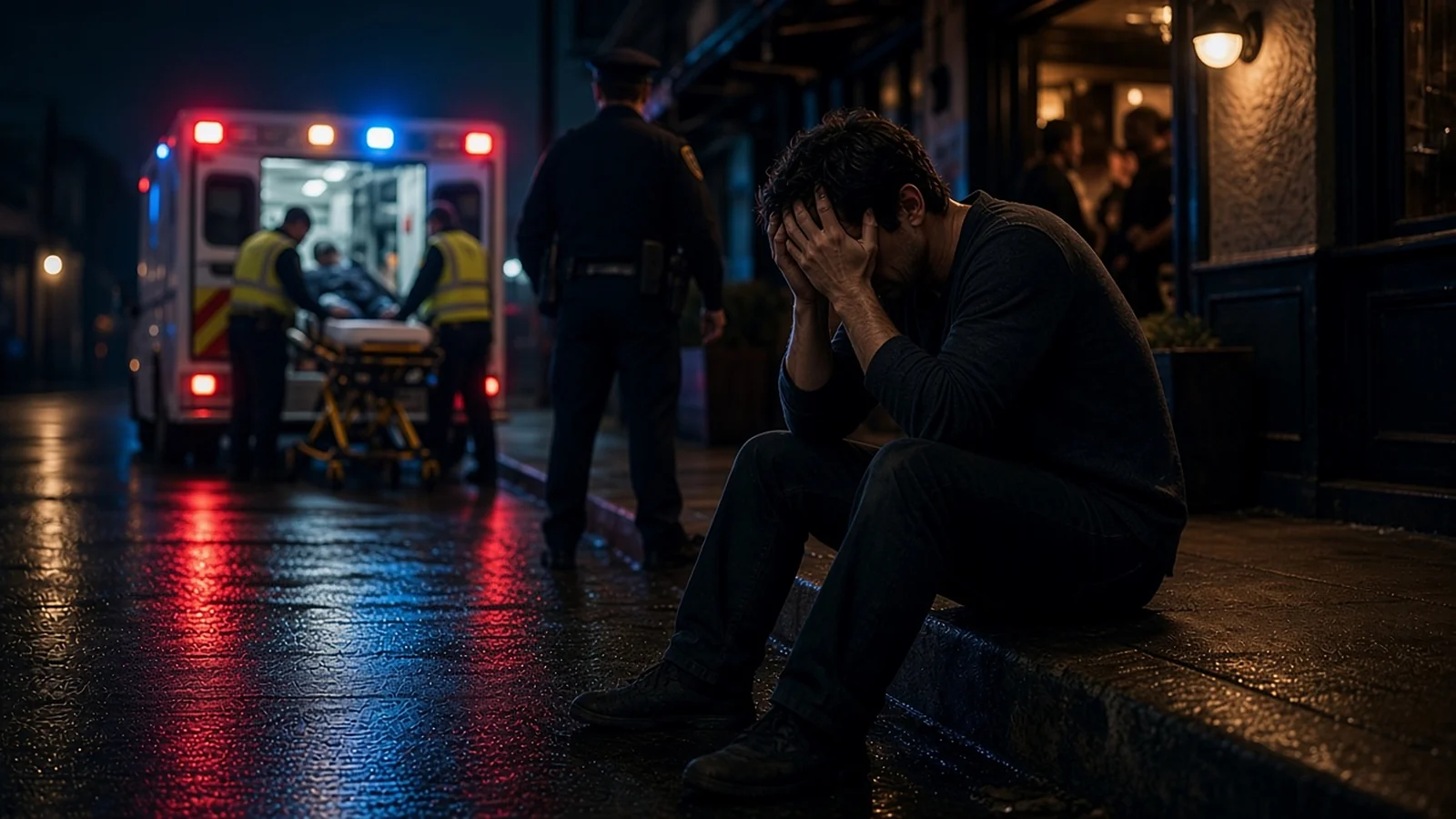
Battery Causing Serious Bodily Injury in California: What a PC 243(d) Charge Means for You
Most fights that lead to an arrest are charged as simple battery, which is a misdemeanor. But if the other person ends up with a broken nose, a concussion, or a cut that needs extensive stitches, the same push or punch can be charged under Penal Code 243(d), battery causing serious bodily injury.
That difference in the injury can turn a misdemeanor case into a possible felony. Here is what PC 243(d) requires, what penalties the law allows, and where these cases have room to move in San Diego. This is general information, not legal advice for your specific situation.
What PC 243(d) Requires
Penal Code 242 defines battery as "any willful and unlawful use of force or violence upon the person of another." PC 243(d) applies when a battery is committed and serious bodily injury is inflicted on the other person.
In practical terms, the prosecution generally has to prove that:
You willfully and unlawfully used force or violence on the other person
Serious bodily injury was inflicted on that person as a result
"Willfully" means you acted on purpose. It does not mean you intended to cause a serious injury. A single punch can support a 243(d) charge if the injury that follows is serious, which is why many people charged under this section never expected the situation to go that far. At the same time, purely accidental contact is not battery.
What Counts as "Serious Bodily Injury"
The charge depends on this definition. Penal Code 243(f)(4) defines serious bodily injury as "a serious impairment of physical condition," including, but not limited to:
Loss of consciousness
Concussion
Bone fracture
Protracted loss or impairment of function of any bodily member or organ
A wound requiring extensive suturing
Serious disfigurement
Because the list is not exclusive, other injuries can also qualify. Applying the definition to real facts is often where cases are contested. Was the person actually unconscious, or briefly dazed? Do the X-rays confirm a fracture? Did a cut require extensive suturing, or a few stitches? The medical records can describe the injury differently than the initial police report, and that difference may affect whether the case is charged as a 243(d) or as simple battery.
Misdemeanor or Felony?
PC 243(d) is what California calls a "wobbler," meaning the District Attorney can file it as either a misdemeanor or a felony.
As a misdemeanor: up to one year in county jail
As a felony: two, three, or four years of incarceration
For comparison, simple battery under PC 243(a) is punishable by up to six months in county jail, a fine of up to $2,000, or both.
How a case is filed usually depends on the facts, including how serious the injury was, who started the confrontation, the available evidence, and whether the person charged has any criminal history. Probation may be available in some cases, but it is never automatic. Under PC 17(b), a wobbler charged as a felony can, in some circumstances, be reduced to a misdemeanor by the court.
Can a PC 243(d) Conviction Count as a Strike?
PC 243(d) is not listed by name as a "serious felony" under California's Three Strikes law. However, Penal Code 1192.7(c)(8) makes "any felony in which the defendant personally inflicts great bodily injury on any person, other than an accomplice" a serious felony, and a serious felony counts as a strike.
"Serious bodily injury" and "great bodily injury" are separate legal terms. In 2023, the California Supreme Court held that a jury's finding of serious bodily injury does not automatically establish great bodily injury (In re Cabrera). Whether a felony 243(d) conviction may be treated as a strike depends on how the case is charged and resolved, which is why the exact terms of any plea deserve close review.
Firearm Consequences
A 243(d) conviction can affect your right to own a gun:
Felony conviction: California law prohibits anyone convicted of a felony from owning or possessing a firearm (PC 29800).
Misdemeanor conviction: PC 29805 lists misdemeanor violations of Section 243 among the offenses that prohibit firearm ownership or possession for 10 years after conviction.
Courts may also issue a criminal protective order requiring you to stay away from the other person while the case is pending.
How These Cases Often Start in San Diego
Many 243(d) cases grow out of situations that escalate quickly: a crowded bar in Pacific Beach or the Gaslamp at closing time, an argument at a house party, or a dispute in a parking lot. One person throws a punch, the other falls and hits their head, and a call for medical help becomes an arrest.
Depending on where the incident happened, cases are generally heard at the Central Courthouse downtown or at the Vista, El Cajon, or Chula Vista courthouses. In a felony case, a preliminary hearing is held, where a judge decides whether there is enough evidence for the case to proceed to trial. That hearing is often the first opportunity to test the injury evidence and the witness accounts.
Possible Defenses
Every case turns on its own facts, but these issues come up often:
Self-defense or defense of others. California law allows reasonable force when you reasonably believe you or someone else is in imminent danger of being harmed. In many bar and street fights, the central question is who was the aggressor.
The injury does not meet the legal definition. If the medical records show, for example, bruising or a minor cut rather than a fracture, concussion, or wound requiring extensive suturing, the evidence may support only simple battery.
Your act did not cause the injury. In a group fight, a serious injury may have come from another person, or from something that happened after your contact with the other person ended.
Misidentification. Fast-moving, crowded scenes produce conflicting witness accounts. Surveillance or phone video may show something different from early statements.
No willful act. Accidental contact, even contact that results in an injury, is not battery.
Options That May Be Available
Depending on the facts and the charge, possible paths can include:
A reduction of a felony to a misdemeanor under PC 17(b)
A plea to simple battery or another lesser offense
Court-ordered misdemeanor diversion under PC 1001.95. For a misdemeanor charge, a judge may, at the judge's discretion, offer diversion for up to 24 months. If you complete the conditions, the judge dismisses the case. Diversion under this section is not available for offenses involving domestic violence, stalking, or offenses requiring sex offender registration.
Civil compromise under PC 1377 and 1378. In some misdemeanor cases, if the injured person appears in court before trial and confirms they have been compensated, the court may, in its discretion, dismiss the case. It is not available for certain offenses, including those involving domestic violence, peace officers on duty, or an intent to commit a felony.
Dismissal after probation under PC 1203.4. If you are granted probation and complete it, you may be able to petition the court to dismiss the conviction.
Which of these, if any, may apply depends on the injury, your criminal history, and the specific facts of the case.
Charged With PC 243(d) in San Diego? Talk With an Attorney Before You Decide Anything
A battery causing serious bodily injury charge in California can carry felony exposure, firearm restrictions, and other lasting consequences, and the outcome often depends on the medical evidence and the exact charge. Attorney Colin Rudolph can review the injury evidence, any video, and the options available in your case. Schedule a free consultation to discuss where your case stands.
Author

Colin Rudolph
Attorney
San Diego criminal defense attorney focused on protecting the rights of clients throughout Southern California.