


Restraining Orders
Domestic Violence Restraining Order in California: How a DVRO Works and How to Fight One
How a domestic violence restraining order works in California, what it can do to custody, housing, and gun rights, and how to respond in San Diego.

Domestic Violence Restraining Order in California: How a DVRO Works and How to Fight One
A domestic violence restraining order is not a criminal charge. There is no arrest required, no prosecutor, and no jury. Yet within a single hearing, it can remove you from your home, limit time with your children, and take away your firearms for years.
That combination of low formality and high stakes is why so many people underestimate a DVRO until it is already in place. This guide explains who can request one in California, what it can actually order, and what to think about if you have been served in San Diego. It is general information, not legal advice for your specific situation.
What Makes a DVRO Different
California's Domestic Violence Prevention Act, found in Family Code 6200 and following, governs these orders. What separates a DVRO from other restraining orders is the relationship between the two people.
A DVRO is available when the parties are, or were:
Married or registered domestic partners
Dating or engaged
Living together as more than roommates
Parents of a child together
Closely related by blood or marriage, such as a parent, sibling, or in-law
If the relationship falls outside that list, the request generally belongs under a different type of order. That distinction matters, because a DVRO carries consequences other restraining orders do not, especially around custody.
"Abuse" Is Broader Than Most People Think
The word "domestic violence" suggests physical harm. The legal definition goes well beyond that.
Under Family Code 6320, the court can find abuse based on harassing, stalking, threatening, impersonating, destroying personal property, or "disturbing the peace" of the other party. Since 2021, that last category expressly includes coercive control, such as isolating someone from friends and family, monitoring their phone or finances, or controlling where they go.
The standard of proof is also lower than in a criminal case. The judge only needs to find, by a preponderance of the evidence, that abuse occurred. Text messages, emails, and social media posts are often central.
How the Process Works in San Diego
A DVRO case usually moves fast:
The request. The protected party files form DV-100 with San Diego Superior Court. There is no filing fee.
The temporary order. A judge reviews the request, typically the same or next court day, and may issue a temporary restraining order without hearing from you.
Service. You are served with the request and any temporary order. Once you have been served, you must follow any temporary order.
The hearing. A full hearing is generally set within about three weeks. You can file a response on form DV-120 before that date.
Family law restraining order matters are heard at the Central Courthouse downtown and at the North County, East County, and South County branches. Hearings are often short, and many people walk in without having organized a single piece of evidence.
What a DVRO Can Order
This is where a DVRO differs most from a typical restraining order.
Beyond no-contact and stay-away provisions, the court can order:
Move-out. You can be ordered to leave a home you own or rent, even if your name is on the lease.
Custody and visitation. The court can make temporary child custody and visitation orders as part of the case.
Firearm surrender. You generally must surrender or sell any firearms within 24 hours of being served and file proof with the court.
Support and bills. The court can order child support, spousal support in some cases, and payment of certain debts.
Property and pets. The court can assign temporary use of a car, phone, or other property, and can include pets in the order.
After a hearing, a DVRO can last up to five years. The protected party can ask to renew it before it expires, and a renewal can be for another five years or permanent. The protected party does not need to prove new abuse to get a renewal.
The Custody Problem: Family Code 3044
For parents, this is often the most serious consequence.
When a court finds that a parent committed domestic violence against the other parent or the child within the past five years, Family Code 3044 creates a rebuttable presumption that awarding that parent sole or joint custody is not in the child's best interest. The presumption can be overcome, but it shifts the burden onto you.
In other words, a DVRO finding today can shape a custody case for years. Many people agree to an order "just to make it go away" without realizing this. It is one of the main reasons a DVRO hearing deserves the same preparation as any other contested family law matter.
When There Is Also a Criminal Case
DVRO cases and criminal domestic violence cases often run side by side. That creates a real risk.
Anything you say in a DVRO hearing, including a written response, is under oath and can potentially be used by the prosecution in the criminal case. Testifying to defend yourself in family court can hurt you in criminal court. Staying silent can make it harder to defend against the restraining order.
There are ways to manage that tension, including requesting a continuance of the DVRO hearing while the criminal case is pending. Whether that is the right call depends on the facts and on which case carries more risk.
How to Respond If You Have Been Served
If you have been served with a request for a domestic violence restraining order:
Follow the temporary order exactly. A violation is a crime under PC 273.6, even if the other person contacts you first.
Handle the firearms deadline right away. The 24-hour surrender requirement is strict.
Preserve your evidence. Save texts, emails, call logs, photos, and the names of witnesses.
Do not post about the case. Social media posts are frequently used as evidence.
Get advice before filing your response. What you put in writing becomes part of the record.
Served With a DVRO in San Diego? Your Response Starts Now
A domestic violence restraining order in California can follow you into custody court, a criminal case, and every background check for years. The Rudolph Firm helps you organize the evidence, protect your rights in any related criminal matter, and walk into the hearing prepared. Set up a free consultation before your hearing date so there is time to build your response.
Author
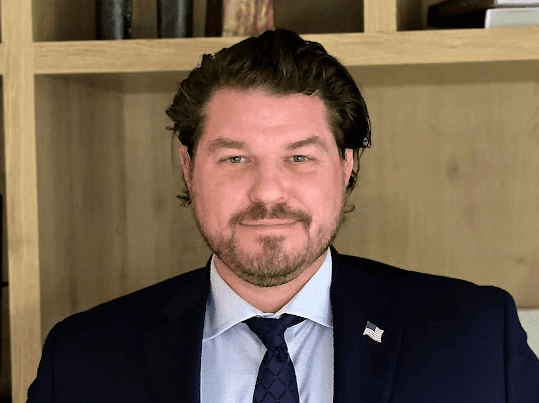
Colin Rudolph
Attorney
San Diego criminal defense attorney focused on protecting the rights of clients throughout Southern California.

