


Firearm & Gun Law
Firearm Possession Charges and Your Rights Under California Law
Being charged with illegal firearm possession in California does not mean the outcome is predetermined.
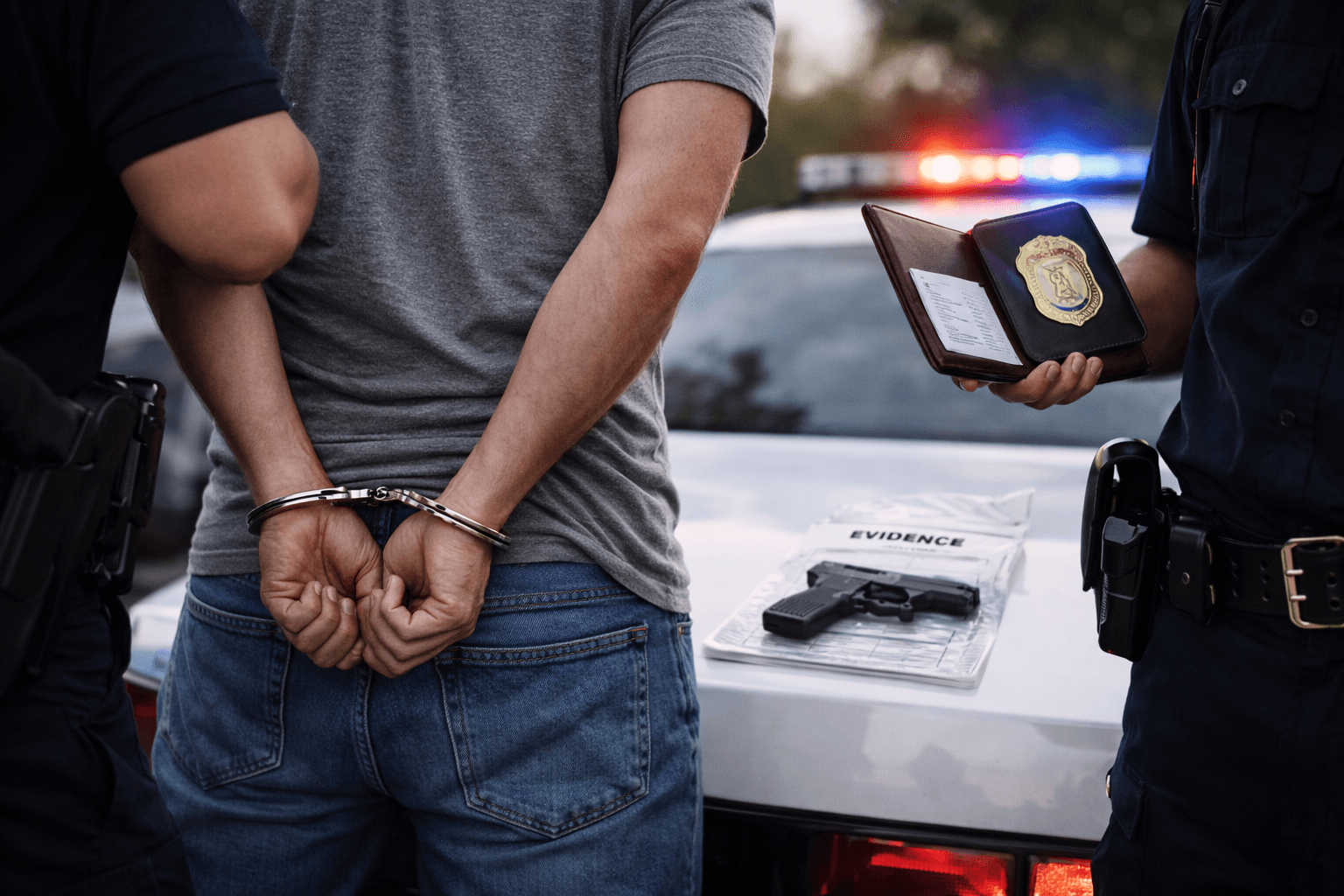
What Constitutes Firearm Possession Under California Law
California law recognizes two forms of possession when it comes to firearms. Actual possession means the firearm was physically on your person at the time of the encounter. Constructive possession means the firearm was not on you directly but was in a location you controlled, such as your home, vehicle, or storage unit, and you had knowledge of it.
Prosecutors can pursue charges under either theory, which means you do not have to be holding a weapon to face a possession charge. Understanding this distinction is important because it shapes how a defense is built and what the prosecution must prove.
Who Is Prohibited from Possessing a Firearm in California
California law prohibits certain individuals from owning or possessing firearms under any circumstances. This includes people convicted of felony offenses, people convicted of specific misdemeanors including certain domestic violence offenses, individuals subject to active restraining orders, those who have been involuntarily committed to a mental health facility, and individuals addicted to narcotics.
Federal law adds an additional layer of restrictions that can apply regardless of what California law permits. If you are unsure whether a prior conviction or legal event affects your right to possess a firearm, consulting with an attorney before handling any weapon is strongly advisable.
Common Firearm Possession Charges
Felon in possession of a firearm under Penal Code 29800 is among the most aggressively prosecuted offenses in the state. A single prior felony conviction makes possession of any firearm a new felony charge, regardless of how the weapon was obtained or how long ago the original offense occurred.
Possession of a firearm by a person prohibited due to a domestic violence conviction under Penal Code 29805 is another frequently charged offense. Even a misdemeanor domestic violence conviction can permanently affect your right to possess a firearm under both state and federal law.
Possession of an unregistered or illegally configured firearm covers a wide range of technical violations, including unregistered assault weapons, short-barreled rifles or shotguns, and firearms with removed or altered serial numbers. Each of these carries its own set of penalties and legal considerations.
Possession while subject to a restraining order is a charge that can arise even in situations where a person legally owned the firearm before the order was issued. California law requires that firearms be surrendered when certain protective orders go into effect, and failure to do so can result in criminal charges.
Your Constitutional Rights in a Firearm Possession Case
The Fourth Amendment protection against unreasonable searches and seizures is one of the most powerful tools in a firearm possession defense. If law enforcement discovered the firearm through an unlawful stop, an illegal search of your vehicle or home, or without a valid warrant where one was required, that evidence may be suppressible.
Suppression of the firearm as evidence can result in the charges being reduced or dismissed entirely. This is why the circumstances surrounding how the weapon was discovered are just as important as whether you possessed it at all.
The Fifth Amendment also matters. Statements made during or after an arrest can be used against you, and your right to remain silent should be exercised from the moment of contact with law enforcement. An attorney should be present before you answer any questions about the circumstances of the alleged possession.
Penalties for a Firearm Possession Conviction
Depending on the specific charge and your prior record, a firearm possession conviction in California can result in county jail time, state prison sentences, substantial fines, probation, and the permanent loss of your right to possess firearms going forward. For individuals on probation or parole, a possession charge can also trigger revocation proceedings and result in additional incarceration.
Non-citizens face particularly serious consequences. A firearm possession conviction can have severe immigration consequences including deportation, denial of naturalization, and bars to reentry. If immigration status is a factor in your case, it is essential that your defense attorney is aware of this from the beginning.
Building a Defense
A strong defense in a firearm possession case starts with a thorough examination of every step law enforcement took from the initial contact through the arrest. This includes reviewing body camera footage, police reports, search warrant applications, and any statements attributed to you.
Viable defenses can include challenging the legality of the search, disputing whether you had knowledge of the firearm, arguing that you did not have actual or constructive control over it, or demonstrating that the firearm does not meet the legal definition of the charged offense. In some cases, diversion programs or plea negotiations can result in outcomes that protect your record and your future.
Taking the Charge Seriously From Day One
Firearm possession charges in California are not minor. The penalties are real, the process moves quickly, and the decisions made early in the case often have lasting consequences. Securing experienced legal representation as soon as possible gives you the best opportunity to challenge the evidence, protect your rights, and pursue the most favorable outcome available under the circumstances.
Author

Colin Rudolph
Attorney
San Diego criminal defense attorney focused on protecting the rights of clients throughout Southern California.