


Firearm & Gun Law
Understanding California Firearm Laws and Common Charges
California has some of the strictest firearm laws in the country. Understanding what is legal, what is not, and what to do if you are facing charges can make all the difference.
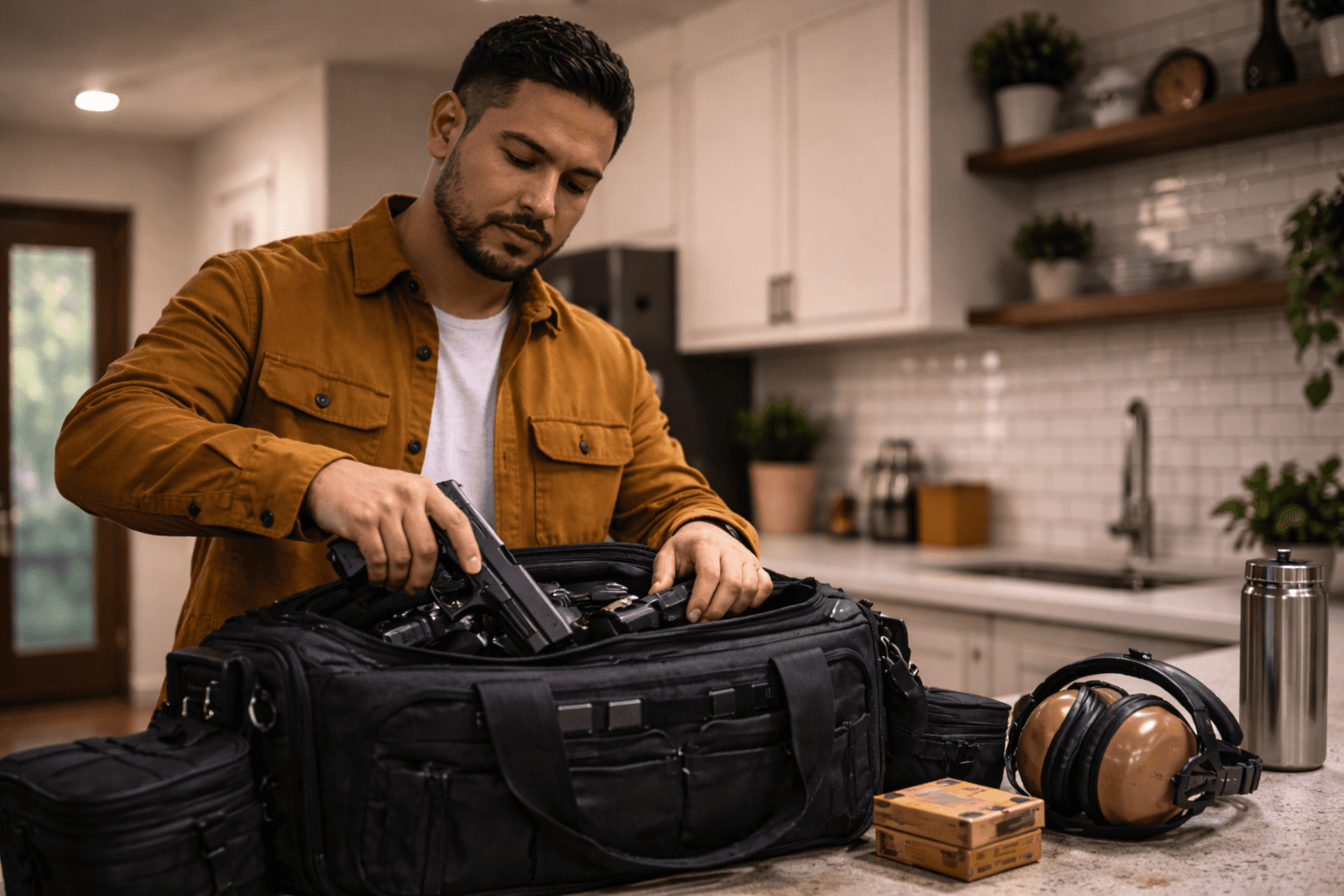
Navigating California's Firearm Laws
California imposes some of the most extensive gun regulations in the United States. While the Second Amendment protects the right to bear arms, California layers additional restrictions on top of federal law that many gun owners are simply unaware of. A firearm charge in this state can carry serious criminal penalties, and in many cases, people are charged not because of violent conduct but because of technical violations they did not even know existed.
Whether you are a first-time gun owner, a concealed carry permit holder, or someone who inherited a firearm, understanding California law is essential to staying on the right side of it.
Common Firearm Charges in California
California prosecutes a wide range of firearm-related offenses. Some of the most frequently charged include the following.
Carrying a concealed firearm without a permit is a serious offense in California. Even if you legally own the weapon, transporting it concealed on your person or in a vehicle without the appropriate permit can result in criminal charges.
Carrying a loaded firearm in public is also prohibited in most circumstances. California law restricts individuals from carrying a loaded weapon in public places, with limited exceptions for law enforcement and permitted individuals in certain jurisdictions.
Possession of an assault weapon or illegal firearm configuration is another common charge. California bans specific firearm features, including certain magazine capacities, pistol grips, and adjustable stocks on rifles. A firearm that is legal in another state may be considered an assault weapon under California law.
Felon in possession of a firearm is one of the most seriously prosecuted charges. If you have a prior felony conviction, possessing any firearm is a felony offense regardless of the circumstances.
Negligent discharge and brandishing charges also arise frequently. Firing a weapon in a negligent manner or displaying a firearm in a threatening way, even without intent to harm, can result in criminal charges.
Why California Firearm Cases Are Complicated
Many firearm charges in California stem from confusion about the law rather than criminal intent. Regulations vary by county and city, change frequently, and are not always clearly communicated to the public. Someone who legally purchased a firearm in another state, moved to California, and never registered or modified their weapon can find themselves facing felony charges.
Additionally, law enforcement encounters involving firearms can escalate quickly. Whether the charge arose from a routine traffic stop, a domestic call, or a search of your property, the facts of how the firearm was discovered matter enormously to your defense.
How a Firearm Defense Attorney Can Help
An experienced firearm defense attorney will examine every element of the case against you. This includes whether the search that uncovered the firearm was lawful, whether you had actual knowledge and control of the weapon, whether the firearm meets the legal definition of the charged offense, and whether any exceptions or exemptions apply to your situation.
In many cases, charges can be reduced or dismissed based on constitutional violations, improper searches, or factual defenses that a skilled attorney can identify early in the process.
The Consequences of a Firearm Conviction
A firearm conviction in California can result in jail or prison time, substantial fines, a permanent criminal record, and the lifelong loss of your right to own or possess firearms. For professionals, a conviction can also jeopardize occupational licenses and career opportunities.
The earlier you involve an attorney, the more options you are likely to have. Acting quickly gives your defense team the opportunity to preserve evidence, challenge the charges, and pursue the best possible outcome.
Author

Colin Rudolph
Attorney
San Diego criminal defense attorney focused on protecting the rights of clients throughout Southern California.